
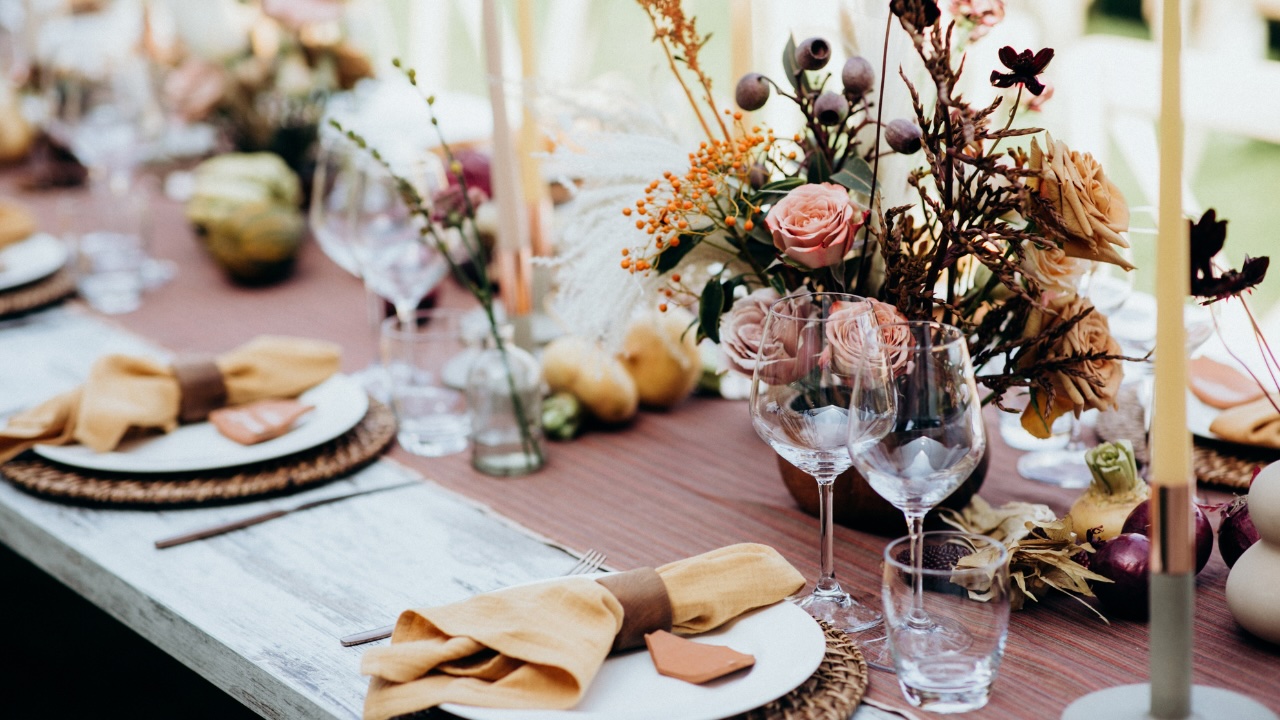
In this week’s episode of 52 'Til I Do, we’re getting ready to chat about all things thrifting, buying, or DIY-ing! From table decor to flowers, we’ll go over everything that you need to keep in mind during this stage of the planning process.
As you listen to this episode or scroll through this blog, it might feel like we’re throwing a million recommendations and ideas your way. Yes, we’re absolutely going to talk about custom napkins. But does that mean you and your loved one need custom napkins at your dinner? Absolutely not. Take what speaks to you, and skip what doesn’t! Our job is to inspire, not to overwhelm or convince you that every trendy detail is a must-have. You do you, with or without monogrammed napkins.
We absolutely love a good DIY moment! But let’s be honest, DIY isn’t always as easy or budget-friendly as YouTube makes it look. Many of us dive into DIY projects hoping to save money, but the truth is, DIY doesn’t automatically equal savings. You might end up spending just as much, if not more, once you factor in tools, materials, and all those “oops” moments. And even if you do end up saving a few bucks, you’re likely going to end up paying in other ways—like with your time and energy.
Yes, DIY comes with its own costs, but there are a few reasons why so many people still choose to roll up their sleeves and do it themselves. The first is that you have a very specific vision. Maybe there’s a detail you’ve been dreaming about forever, and you want it to be executed perfectly. DIY lets you take full control, ensuring that your vision comes to life exactly the way you want it to. If it matters that much to you, doing it yourself might be the best way to get it done right. The second reason for DIY-ing is that you’re just a crafty person! If you’re someone who genuinely enjoys creative projects, then DIY can be a fun part of your wedding planning process. Making your own signage, centerpieces, or florals might not just save you money, but it might also bring you joy!
The ceremony is usually where you can make a big visual impact with a few larger pieces. Before buying or making anything, think about what your venue already provides and what will need to be brought in.
An arch or chuppah can be a major focal point of the ceremony, but there’s more to it than just finding one you like. Think about how it will be transported, who is going to set it up, and how it will be taken down afterward. If you’re adding draping or flowers, you’ll also need to consider how those pieces will be attached. And don’t forget about stability. A beautiful structure isn’t helpful if it can’t safely stay where you put it. If you’re renting or buying an arch, make sure you know exactly what is included. If you’re DIY-ing it, make sure you have the tools, materials, and extra hands needed to put it together.
Draping can completely change the look of a ceremony space. It can soften a room, add color, or make a simple structure feel more finished. This is something you can potentially rent or DIY, but make sure you know how it will be installed. Some venues may have restrictions on what can be attached to walls, ceilings, or existing structures.
Flowers can be added to the arch or chuppah, placed on the aisle, or used to decorate other parts of the ceremony space. If you’re considering DIY-ing your florals, think about the number of arrangements you’ll need and how they’ll get to the venue. You’ll also need to consider storage and setup. For a smaller project, DIY could be manageable. For an entire ceremony full of floral arrangements, it might make more sense to hire a florist or have a professional handle the larger pieces.
Aisle decor can be as simple or elaborate as you want. You could use flowers, candles, greenery, or nothing at all. If you do want to decorate the aisle, think about whether the pieces can be reused somewhere else during the reception. Moving ceremony decor to cocktail hour or the reception can help you get more use out of what you’ve already purchased or made.
Welcome signs, unplugged ceremony signs, programs, and other small pieces of signage can be easy to DIY. Just make sure you know where each sign will go and how it will be displayed. A sign is only useful if your guests can actually see it!
Cocktail hour is a great place to add smaller details without having to completely decorate another room. It’s also a good opportunity to reuse pieces from the ceremony.
Your venue may already provide cocktail tables, so check what is included before buying or renting anything. From there, you can decide whether you want to add linens, candles, flowers, or other decor. Keep in mind that cocktail hour is a time when guests are standing and moving around, so you don’t want to fill the tables with so much decor that there’s nowhere to put a drink.
The bar is going to get a lot of attention during cocktail hour, so a few simple details can make it feel more intentional. A bar sign, small floral arrangement, menu, or some candles can be enough. You don’t necessarily need to completely decorate the entire bar.
This is where we have to bring up the custom napkins. Custom cocktail napkins are cute. They can have your names, wedding date, initials, or a fun phrase. But they are also completely optional. If they fit your budget and you love them, go for it. If you’d rather spend that money somewhere else, your guests will survive without personalized napkins.
Small vases, candle holders, frames, and other decorative pieces can be great thrift finds. You don’t need to purchase everything specifically from a wedding store. Look at thrift stores, antique stores, estate sales, or even things you already own. And if you’re using pieces during the ceremony, consider moving them to cocktail hour instead of purchasing completely separate decor.
Cocktail hour can be a good place for practical signage, especially if you’re directing guests toward the bar, food, seating chart, or reception space. These are usually simple enough to DIY, but again, think about whether you actually need the sign before adding another project to your list.
The reception is where you’ll probably have the most opportunities to thrift, buy, and DIY. There are a lot of individual pieces involved, so this is where having a plan can save you from buying things you don’t actually need.
Start by figuring out the overall look of your tables. Are you using candles? Flowers? Vases? Table numbers? Chargers? Place cards? Menus? Once you know what you want, figure out which pieces you can thrift, which you want to buy, and which you want to make yourself.
Vases are one of the easiest things to thrift, especially if you want a collection of different sizes and shapes. Check thrift stores, antique shops, estate sales, and online marketplaces. You can often find interesting pieces for much less than buying dozens of new vases. Just remember to plan for what happens to them after the wedding. You probably don’t need 75 vases taking up space in your house forever.
Candles can be a relatively simple way to add something to your tables. Candle holders are another good thrift item because they don’t necessarily need to match perfectly. Mixing different styles can work really well depending on your aesthetic. Before buying a large quantity, check with your venue about their rules regarding candles and open flames!
Table numbers are one of those details that can be really easy to DIY. You can print them, frame them, paint them, or use something more creative. Since you may only need a handful of them, this is a project that can be manageable even if you’re not particularly crafty.
Place cards are another area where DIY can work—but think about your guest count. Making 20 place cards is very different from making 200. If you’re handwriting every name, make sure you’re realistic about how much time it will take.
Menus can be purchased, professionally printed, or DIY-ed. But before making one for every guest, consider whether you actually need individual menus. Depending on your reception, you might be able to have a few menus per table or skip them entirely.
Linens are usually something you’ll want to rent or purchase rather than DIY. There are a lot of measurements and quantities involved, and your venue or rental company can help you figure out exactly what you need. If linens are important to your overall look, this can be a place to spend your money. If they aren’t, keeping them simple can save you some money for other details.
Glassware, plates, silverware, and other tableware are usually best handled by your caterer or rental company. If you’re having a smaller or more casual wedding, thrifting certain pieces could work. But for a larger wedding, remember that you need enough for every guest, plus extras—and then you have to deal with cleaning and transporting everything. Sometimes renting is worth it simply because you don’t have to worry about what happens to 150 forks after dinner.
Welcome signs, seating charts, bar signs, guest book signs, menus, and table numbers can all be part of your reception decor. You can DIY some or all of these, but don’t feel like you need a sign for every possible thing. Choose the ones that are actually useful or add something to the overall design.
A seating chart can be as simple or creative as you want. If you’re DIY-ing one, think about how easy it will be to make changes. Guest lists can change right up until the wedding, so creating something that can be easily adjusted may save you a lot of frustration.
Your guest book is another place where you can decide what matters to you. You can buy a traditional guest book, create your own, or choose something completely different. Think about what you’ll actually want to look back on after the wedding.
A card box doesn’t need to be complicated. A decorative box, basket, suitcase, or another container can work. This is another item you might be able to thrift or repurpose rather than buying something specifically labeled as a “wedding card box.”
Cake stands are another great item to thrift or borrow. If you know someone who already has one, use it! Otherwise, check thrift stores or antique shops for something that fits your aesthetic.
Before spending money on favors, decide whether you actually want them. If you do, think about choosing something your guests can actually use or enjoy. And if you can buy it in bulk, that may be a much better option than purchasing individually packaged favors.
Reception florals can quickly become one of the biggest DIY projects. If you want to DIY them, consider starting small. Maybe you make your centerpieces but hire someone for your bouquet and larger arrangements. The more floral pieces you take on, the more you’ll need to think about storage, transportation, setup, and timing.
One of the easiest ways to get more value out of your decor is to reuse it throughout the day. Ceremony candles can move to cocktail hour. Ceremony flowers can be moved to the reception. Signs can be relocated. Vases can be reused on different tables. Before buying something specifically for one part of the wedding, ask yourself if it can serve another purpose later in the day!
There are so many things you could thrift, buy, or DIY for your wedding, but you definitely don’t need to do all of them. Start with the things that matter most to you and figure out what makes sense for your budget, your timeline, and your energy. Thrift what you can, buy what makes sense, DIY what you’ll actually enjoy, and skip anything that doesn’t feel important. And remember: DIY is not automatically cheaper, thrifting is not always better, and buying something doesn’t mean you failed at budgeting. The goal isn’t to make everything yourself. The goal is to create a wedding that feels like you without making the planning process harder than it needs to be!
Be sure to listen to Episode 36 of 52 ‘Til I Do on Spotify or Apple Podcasts to learn more about your wedding DIY details!
Have more decor-related questions? Send us a message at hello@marryment.com or get in touch on our social media—we love helping couples navigate this part of wedding planning!
Photo Credit to JNA Visuals
Marryment proudly serves couples all across Chicago and the surrounding Chicago Suburbs including popular areas such as Schaumburg, Elmhurst, Naperville, Evanston, Joliet, Oak Park, Skokie, Barrington, Downers Grove and Northbrook, to name a few. We also love destination weddings. We'd love to be a part of your wedding day! Schedule your free planning call with us today.


Schedule your free planning call with us.
Planning tips, wedding inspiration, and exclusive offers—straight to your inbox! Join our community and get the latest updates to make your wedding journey even more joyful.
